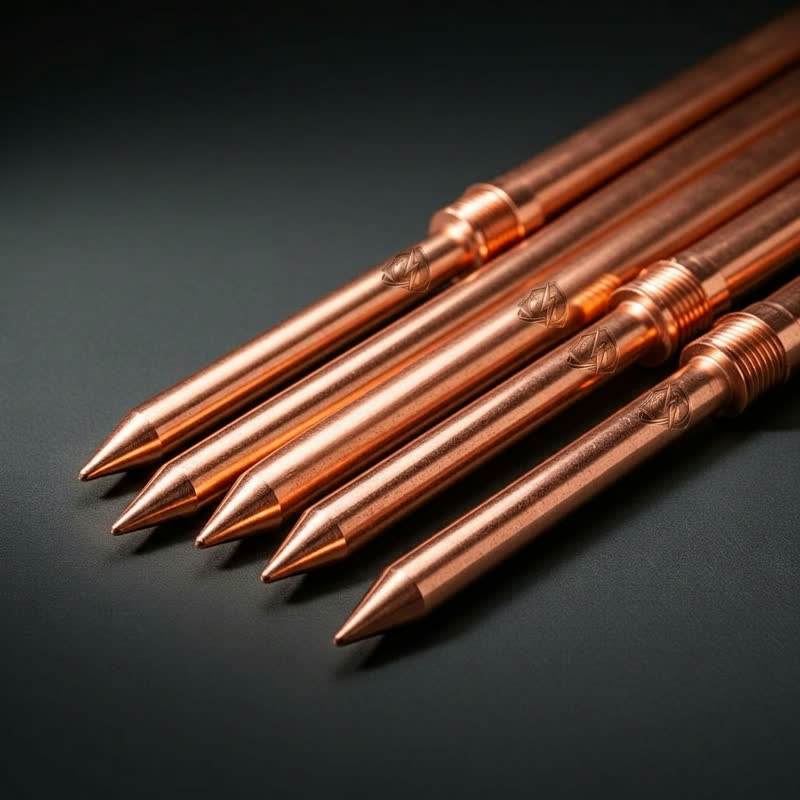
Copper-bonded steel electrodes with thick electrolytic copper coating for long-life, low-resistance earthing in industrial and commercial installations.
Installation of an earthing system starts with the site assessment and soil resistivity measurement. Earth pit excavation, electrode placement, conductive backfill and conductor connections follow the approved design. Earth rod installation is completed with accessible test points and recorded resistance readings before handover.
Chemical earthing price depends on electrode material, length and diameter, backfill quantity, excavation and the number of pits. For a chemical earthing installation quote, share your location, application and target resistance so the material supply and site work can be itemised.
An industrial earthing contractor must consider transformer earthing, substation earthing, DG set earthing and LT panel earthing together with equipment bonding. Factory and warehouse earthing installations need a grounding system sized for the site’s fault conditions, not a generic pit count.
Earth resistance testing records the measured value of each earth pit, including existing installations. The method depends on the earthing layout and access for test probes. Ask for a dated earth resistance test certificate with pit identification, readings and the test conditions.
Lightning arrester installation includes the air terminal, mast, down conductors, bonding and lightning arrester earthing. Compare ESE lightning arresters with conventional lightning protection against the applicable project specification and site risk assessment.
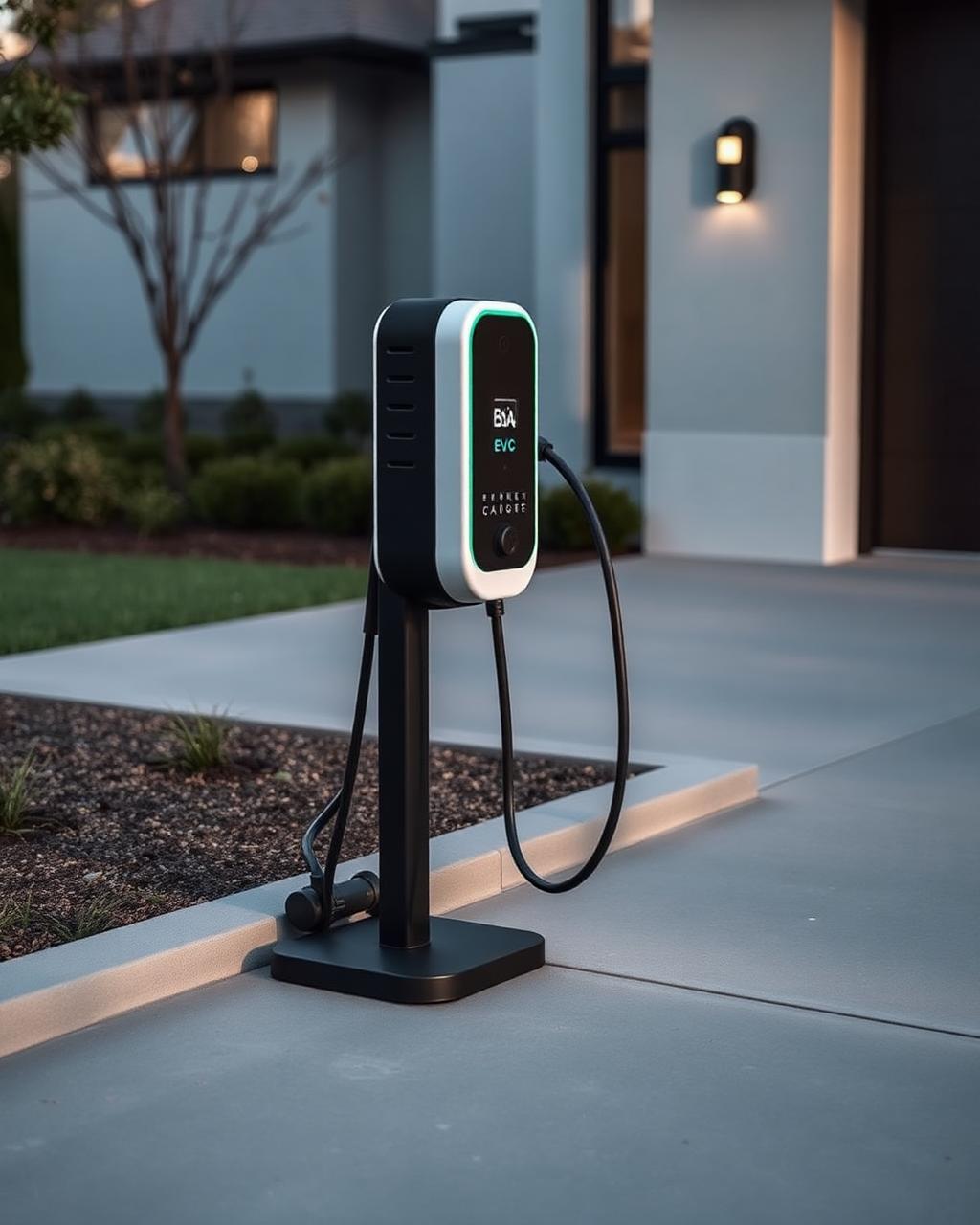
Earthing for an EV charger must be coordinated with the charger manufacturer’s requirements, protective devices and the electrical supply arrangement. EV charger earthing includes correctly sized connections, equipment bonding and testing; the resistance target should come from the design rather than a universal figure.