Chemical Earthing
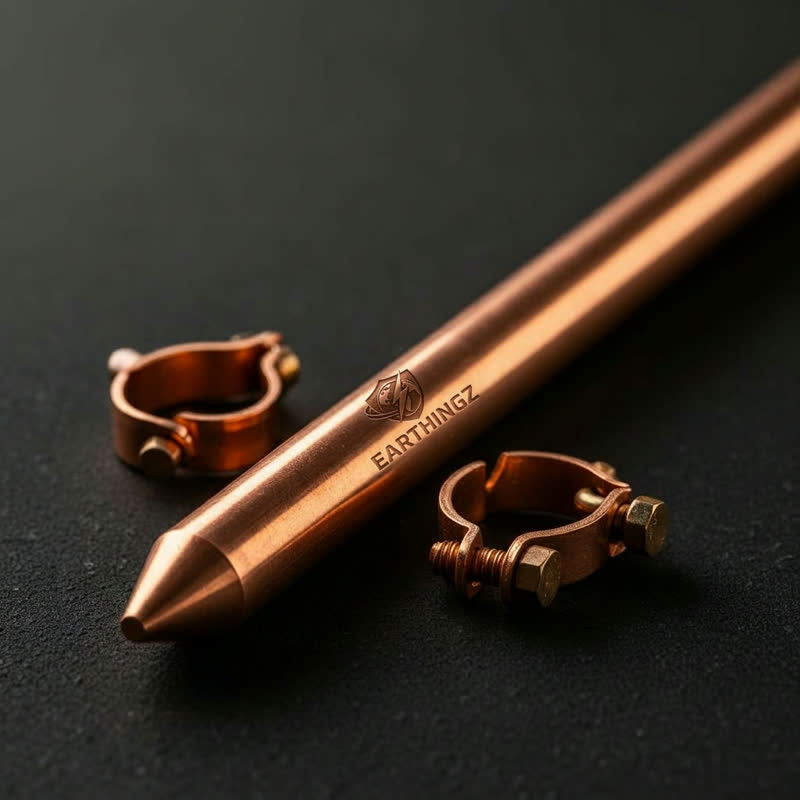
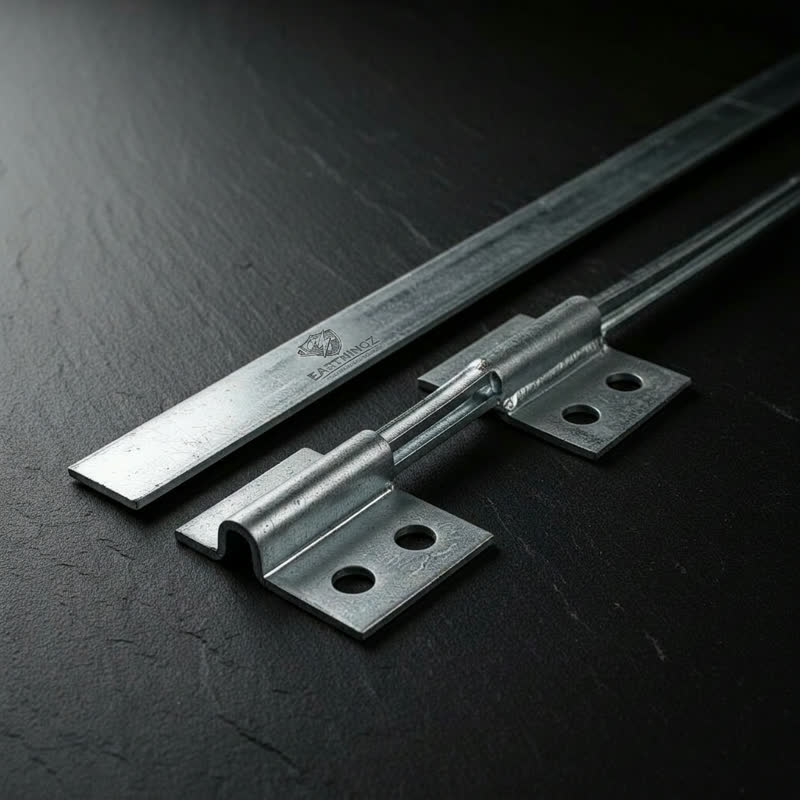
Chemical earthing systems with two options: Copper Earthing and GI Earthing, combining earth electrodes and conductive backfill for site-specific grounding.
- Branches
- Copper Earthing · GI Earthing
- System
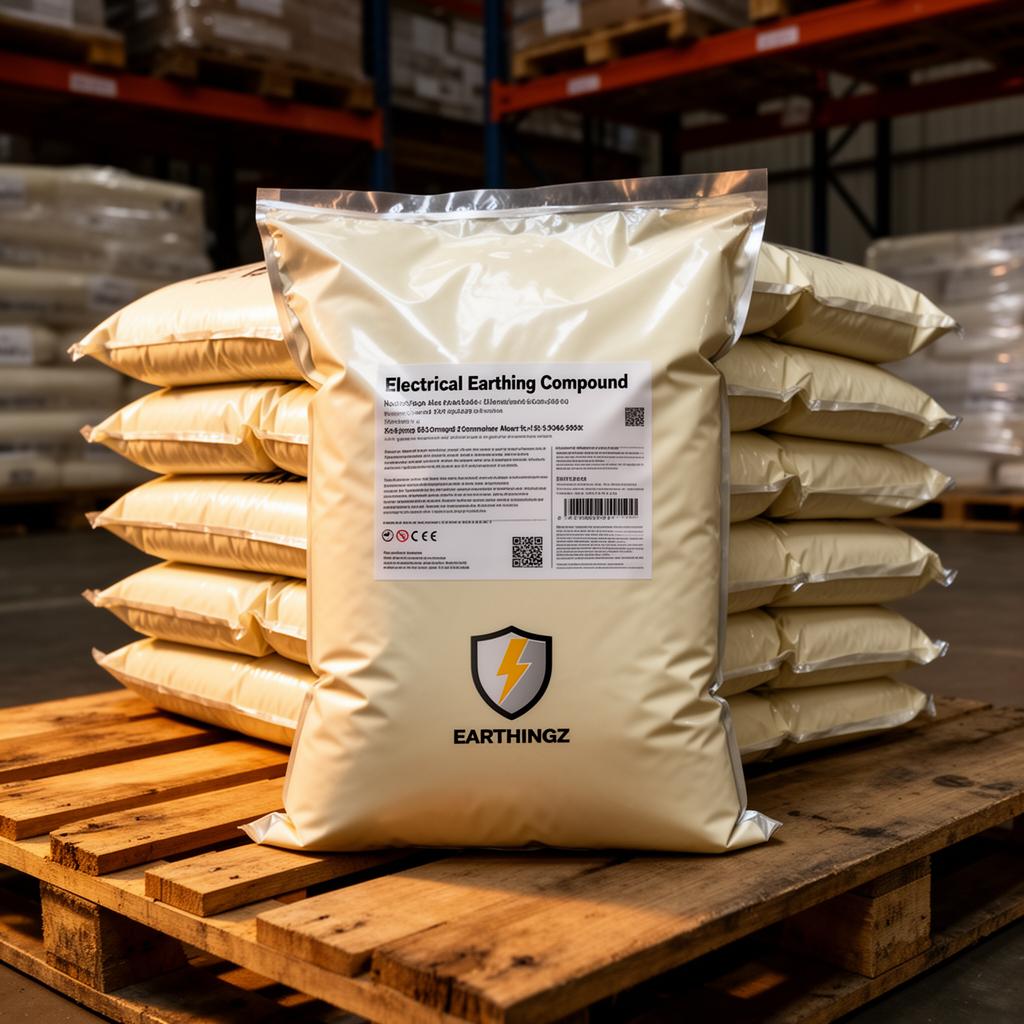
- Earth electrode · Conductive backfill · Connection · Pit cover
- Selection
- Soil resistivity · Fault current · Required resistance
- Handover
- Individual earth pit resistance readings
- Design reference
- IS 3043 and the project specification
Choose Copper or GI Earthing
Overview
Chemical earthing uses an electrode surrounded by a conductive, moisture-retentive backfill compound to improve contact with the surrounding soil. The complete chemical earth pit includes the electrode, backfill, conductor connection and inspection cover. Copper chemical earthing and GI chemical earthing are the two material branches; neither guarantees a particular resistance without a site assessment. Earthingz supplies chemical earthing materials and provides installation and earth resistance testing across Delhi NCR, including Gurugram (Gurgaon) and Noida. Electrode dimensions, pit spacing and backfill quantity are chosen to suit soil resistivity, fault current and the project specification.
Frequently asked questions
What are the types of chemical earthing?
Our Chemical Earthing range has two branches: Copper Earthing and GI Earthing. Both combine an electrode with conductive backfill; selection depends on soil conditions, corrosion exposure and the electrical design.
What is included in a chemical earthing material list?
A typical system includes an earth electrode, conductive backfill, compatible conductor and clamps, and an inspection pit cover. The quotation should state dimensions, quantities and whether excavation, installation and testing are included.
Is chemical earthing maintenance-free?
It can reduce routine maintenance, but connections, pit access and earth resistance still need periodic checks. Soil conditions and seasonal moisture affect performance.